The term electrolysis process often brings hydrogen production to mind. But in industrial chemistry, one of the most vital and proven applications is the chlor-alkali electrolysis process—a specific type of electrolysis used to transform saltwater (brine) into three critical chemicals: chlorine, sodium hydroxide (caustic soda), and hydrogen as a valuable byproduct.
At Welysis, this is our core expertise. We don’t focus on hydrogen as the end goal. Instead, we specialize in turnkey modular chlor-alkali plants that apply the electrolysis process to purified brine, empowering industries to produce essential chemicals on-site—safely, efficiently, and sustainably.
This article explores how the electrolysis process works in the chlor-alkali context, how Welysis modular plants deliver value, and why this application of electrolysis is critical for industrial resilience.
What Is the Chlor-Alkali Electrolysis Process?
The electrolysis process in chlor-alkali systems involves passing an electric current through brine (sodium chloride in water), resulting in:
Chlorine (Cl₂) – used in water treatment, plastics, and disinfectants.
Sodium Hydroxide (NaOH) – essential in refining, soaps, and paper.
Hydrogen (H₂) – a useful byproduct for fuel or chemical processes.
Chemical reaction:
2NaCl + 2H₂O → Cl₂ + H₂ + 2NaOH
This electrolysis process uses advanced membrane technology to separate ions and ensure the safety and purity of the outputs. Unlike water electrolysis, the goal here isn’t hydrogen it’s chemical transformation for high-demand industrial use.
Ready to take control of your chemical production?
BOOK A CONSULTATIONModular Electrolysis Process Plants: Built for Chlor-Alkali
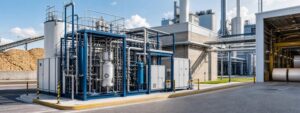
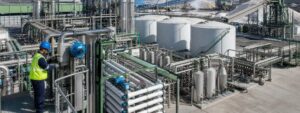
Welysis delivers full, modular electrolysis plants that apply chlor-alkali technology at any scale.. These aren’t just electrolyzers they’re engineered systems for real world production.
Each modular unit includes:
Brine purification modules
Electrolyzers with membrane technology
Gas separation and safety systems
Sodium hydroxide processing
Digital control and automation
Environmental compliance systems
By applying the electrolysis process within these complete infrastructures, we ensure speed of deployment, energy efficiency, and scalability adapted to regional regulations and supply constraints.
Welysis and the Chlor-Alkali Electrolysis Process: What We Offer
We serve salt producers, chemical distributors, and industrial investors seeking control and profitability. Our plants are ideal for clients who want to:
Convert brine into chlorine and caustic soda in-house.
Reduce transport and purchase costs.
Monetize hydrogen coproducts where viable.
Build energy resilient operations.
Every Welysis system is delivered turnkey: from feasibility to engineering, installation, startup, and maintenance and it’s all designed around the core principles of chlor-alkali chemistry.

The WIN Advantage: Global Optimization for Chlor-Alkali Performance
What sets Welysis apart is WIN – the Welysis International Network.
Every plant we deploy is connected through WIN, giving clients access to:
Performance benchmarking across global installations.
AI-powered diagnostics for predictive maintenance.
Shared innovation and process improvements.
Continuous optimization of the electrolysis process in real time.
This transforms each plant from a static asset into a dynamic, evolving system powered by continuous optimization.
Key Benefits of Welysis Chlor-Alkali Electrolysis Plants
Economic:
Produce essential chemicals internally.
Avoid supply chain disruptions.
Sell surplus where regulation allows.
Operational:
Scalable modular capacity.
Fast deployment and training.
Reliable operation via WIN based diagnostics.
Strategic:
Reduce dependency on chemical suppliers.
Align with sustainability and efficiency goals.
Gain full control over the electrolysis process within your facility.
Electrolysis Process Applications Beyond Hydrogen
The chlor-alkali electrolysis process powers dozens of industries:
Water treatment – chlorine for disinfection.
Textiles, soaps, and refining – sodium hydroxide as a base.
Plastics and pharmaceuticals – chlorine as a feedstock.
Energy and chemicals – hydrogen as process fuel or input.
At Welysis, we’ve helped clients transform excess salt into value while securing their own supply of mission-critical chemicals through advanced chlor-alkali technology.
Why Chlor-Alkali Technology Still Matters in Industrial Chemistry
This technology isn’t just a tool for green hydrogen. It’s a foundation of modern chemical production, especially in the chlor-alkali sector.
When done right with the right technology, integration, and support this process allows companies to:
Enhance their chemical autonomy
Increase profitability through local production
Embrace a cleaner, more circular industrial model
At Welysis, we’ve reimagined the electrolysis process as a modular, intelligent platform for clients ready to take control of their supply, operations, and future.
Key Takeaways
Brine-to-chemical conversion is central to chlor-alkali chemistry, producing chlorine, sodium hydroxide, and hydrogen from brine.
Welysis designs and delivers modular, turnkey chlor-alkali plants for industrial clients.
Our WIN network brings ongoing optimization and support to every plant.
This approach reduces costs, increases self sufficiency, and meets sustainability goals.
The chlor-alkali electrolysis process remains one of the most reliable and essential tools in industrial chemistry and Welysis is a leader in applying it effectively.